Study confirms the importance of verification committees in ensuring the legitimacy of affirmative action policies at public universities
Research from a master’s thesis in Public Administration at UNIFAL-MG points to a drop in fraud attempts after hetero-identification committees were created
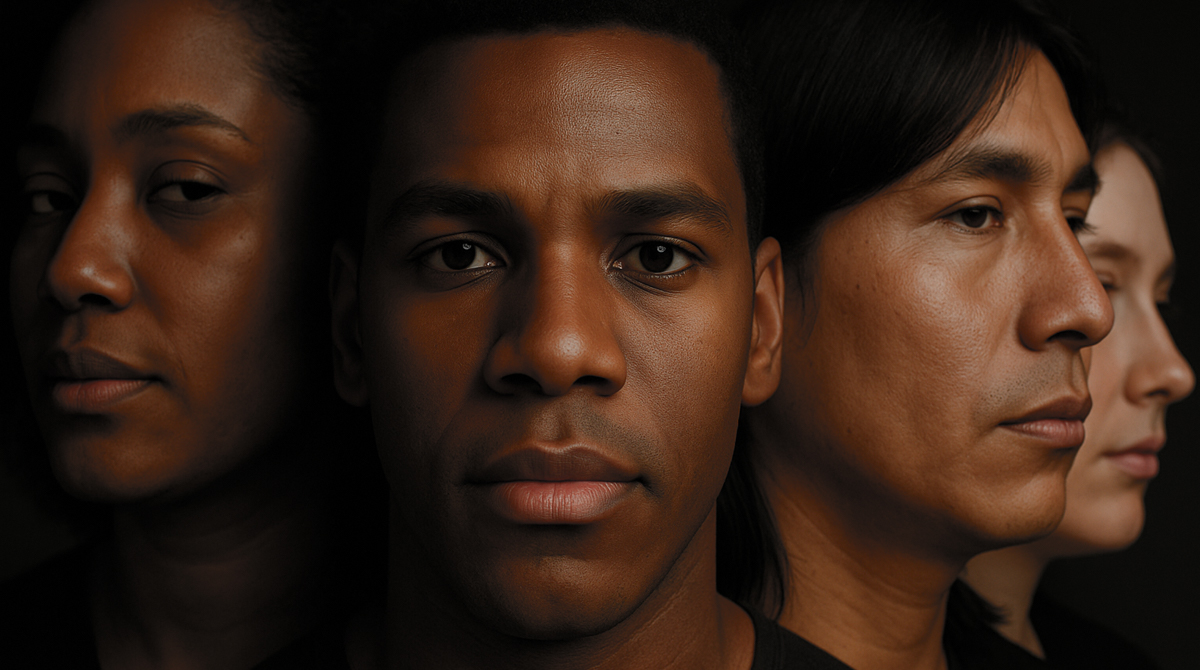
The creation of committees responsible for verifying the racial self-declaration of applicants at public universities has shown significant results in fighting fraud in racial quotas. Research carried out at UNIFAL-MG showed that the Committee for Verifying the Truthfulness of Self-Declaration (CAVANE) was decisive in making the system more reliable and transparent.
The work, titled Under the skin: the hetero-identification process in undergraduate admissions at the Federal University of Alfenas, was written by graduate student Paulo Henrique Santos Pereira under the supervision of professor Jackson Wilke da Cruz Souza , who was a faculty member of the Professional Master’s in Public Administration (Profiap) offered by the University at its Varginha campus, and is now part of the Institute of Science, Technology and Innovation (ICTI) at the Federal University of Bahia (UFBA).
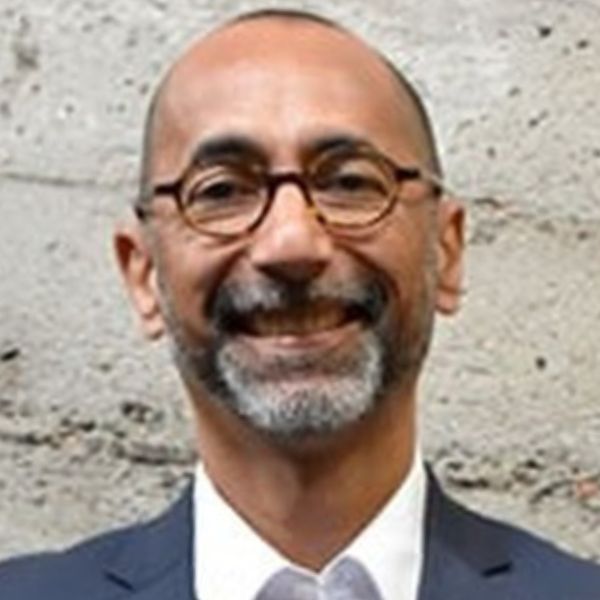
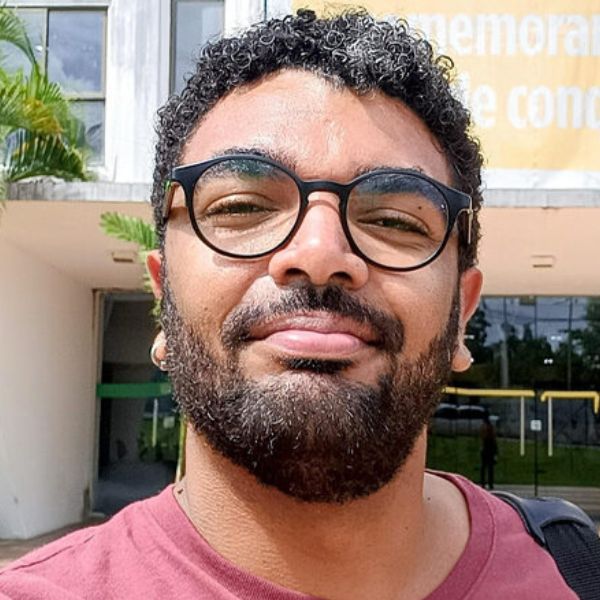
CAVANE, the committee responsible for this validation, was created at UNIFAL-MG in 2018 and, for Paulo Henrique Pereira, was a watershed for the University. “The most striking result is the sharp drop in the percentage of rejected enrollments,” he shares. He reports that at the start of the process, in 2018, 52% of the self-declarations reviewed were rejected, a figure that fell to just 11% in the second semester of 2020. According to the researcher, this suggests that the committee’s existence reduced fraud attempts, making the process more robust and transparent.
Despite the committee’s success, the researcher points out some challenges, such as the difficulty of engaging members and the need for ongoing training of the panel, which is important to avoid injustices, especially in classifying pardo (mixed-race) people.
The details of how the racial quota policy is put into practice at UNIFAL-MG were understood by cross-referencing an analysis of official documents with numerical data and what other researchers already knew about the field. According to the study’s author, the research contributed to legitimizing and defending quota policies. “In a context of constant attacks and misinformation about affirmative action, studies like this provide concrete data showing that universities are indeed creating effective mechanisms to fight fraud. This strengthens the quota policy in the eyes of the public and offers solid arguments for defending and maintaining it,” he argues.
In his view, the research promotes racial literacy, since it leads the academic community and society to discuss what it means to be Black in Brazil. He believes this helps deconstruct the idea that Brazil is a “racial democracy,” given that race is a social construct that, based on physical traits, exposes people to inequality. “The process moves the debate from the private sphere of self-identification to the public sphere of hetero-identification, which is how racism operates,” he clarifies.
The work also contributes to improving Public Administration because, by detailing UNIFAL-MG’s process, with its successes and challenges, it offers a roadmap that can be adapted and improved by other bodies that implement racial quotas, such as civil service exams, as the researcher mentions.
“For young Black people, who are the target audience of the policy, the existence of a robust committee guarantees that security,” he says, adding that having their spot guaranteed and being protected against fraudsters increases trust in the system.
The researcher’s next step is to take the discussion beyond the university setting. In his PhD, he plans to investigate the use of racial quotas in civil service exams for the federal judiciary, with the goal of broadening the debate on justice and equal opportunity in public service.
How the covid-19 pandemic affected the Hetero-identification Committee at UNIFAL-MG#
The impacts of the covid-19 pandemic were also assessed. For Paulo Henrique Santos Pereira, the disease brought both challenges and opportunities. With the need for social distancing, UNIFAL-MG and other institutions had to adapt a process that depends on observing physical characteristics, such as skin color, hair texture and facial shape, which led to the introduction of interviews by videoconference.
In addition to keeping the process going, the remote format allowed applicants who live far from the University’s campuses to take part without having to pay travel costs. For the researcher, this experience showed that a hybrid model can make the system more accessible and inclusive, and expand opportunities for students from different regions.
For more information, read the thesis Sob a pele: o processo de heteroidentificação na graduação da Universidade Federal de Alfenas (Under the skin: the hetero-identification process in undergraduate admissions at the Federal University of Alfenas), available in UNIFAL-MG’s Digital Library of Theses and Dissertations.
Text written under the supervision and guidance of Ana Carolina Araújo, journalist at the Federal University of Alfenas (UNIFAL-MG).
Visit the UNIFAL-MG page to read the full text.